



PFAS Investigations at Cannon and Holloman Air Force Bases
Client
New Mexico Environment Department Hazardous Waste Bureau
Market
Services
Challenge
The New Mexico Environment Department (NMED) needed a clear, science-based understanding of the extent and behavior of PFAS contamination in surface water, groundwater, and ecological receptors near Cannon and Holloman Air Force Bases. Legacy use of firefighting foam had released persistent PFAS compounds into complex hydrogeologic settings, requiring coordinated investigation, advanced modeling, and alignment among state and federal stakeholders to guide next steps and protect water resources.
Solutions
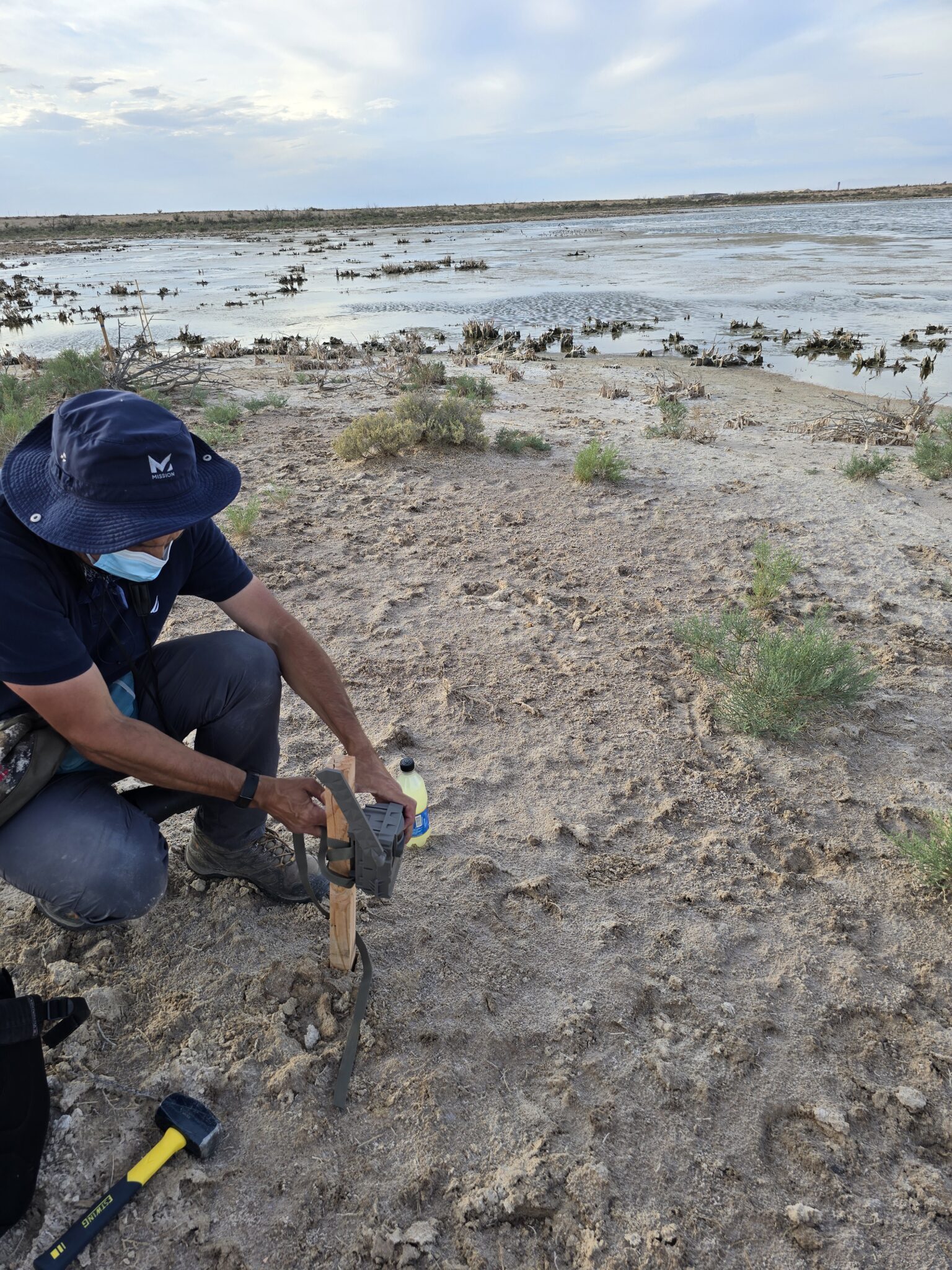
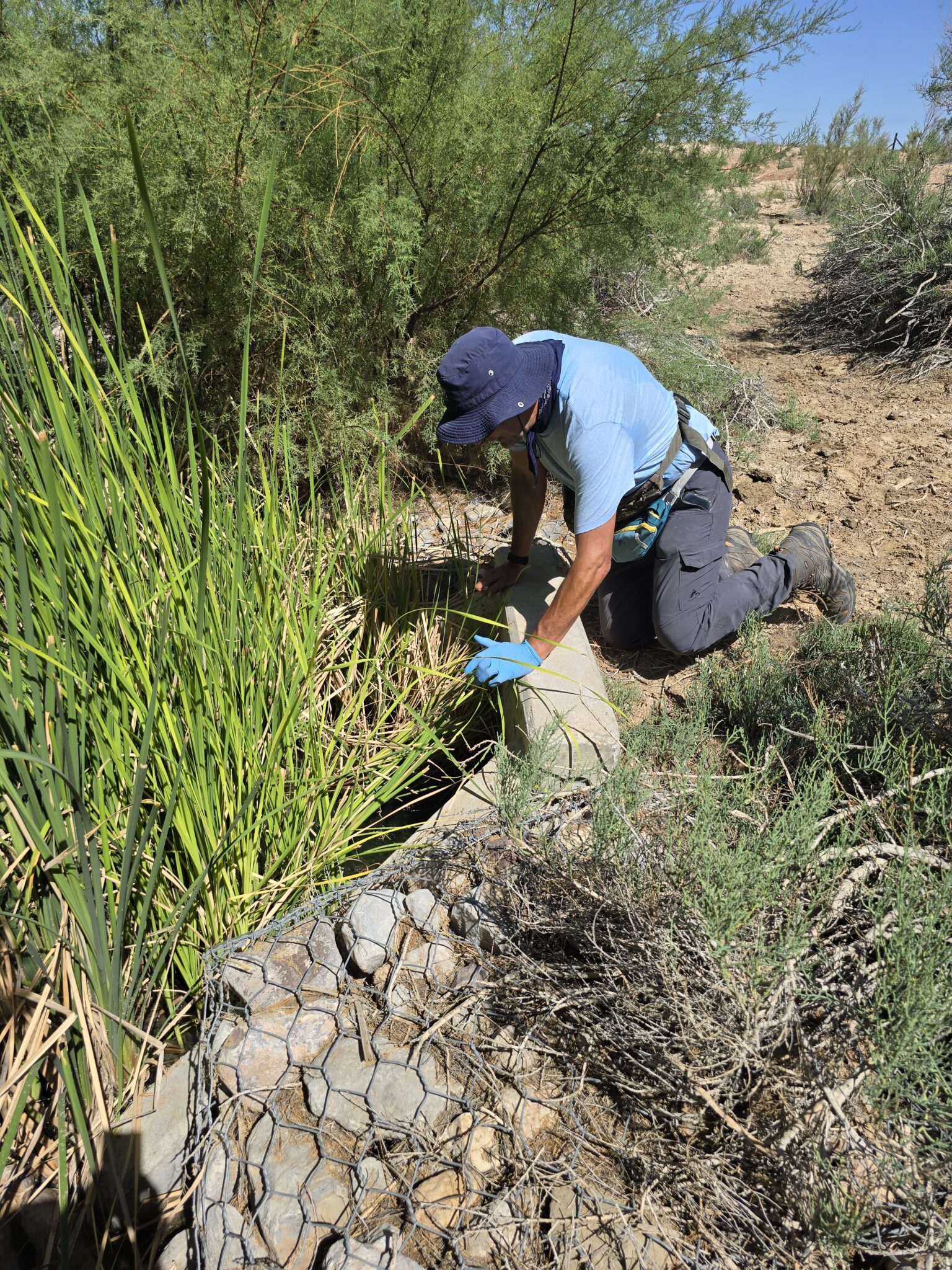
GLA applied multidisciplinary water resources expertise to characterize PFAS impacts and support informed regulatory decision-making. Our team designed and executed phased investigations that integrated groundwater monitoring, surface water assessment, plume delineation, and contaminant transport modeling. We compiled and evaluated historical data, developed work plans and sampling protocols, installed monitoring infrastructure, and conducted on- and off-base sampling—including domestic wells downgradient of Cannon AFB.
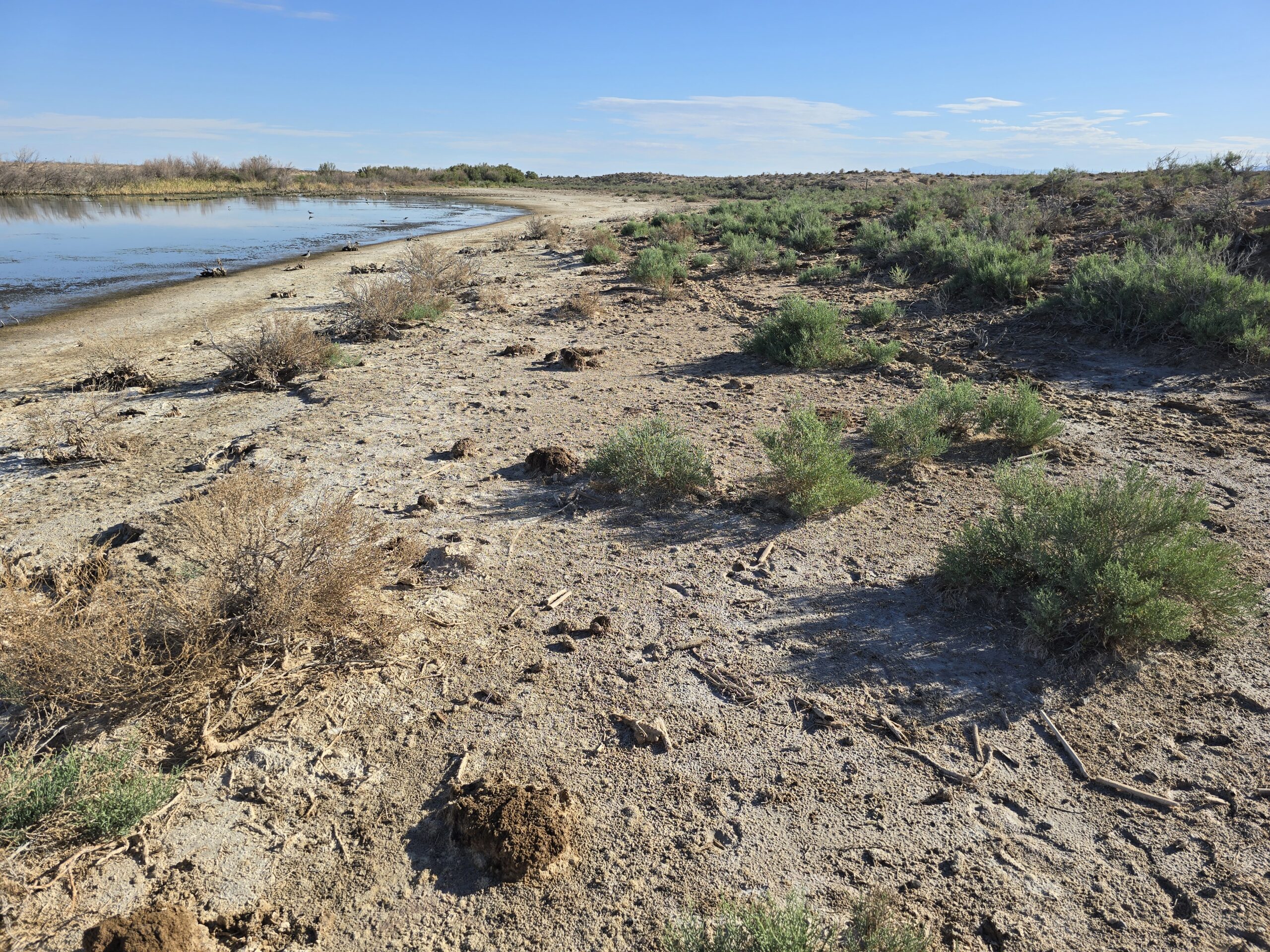
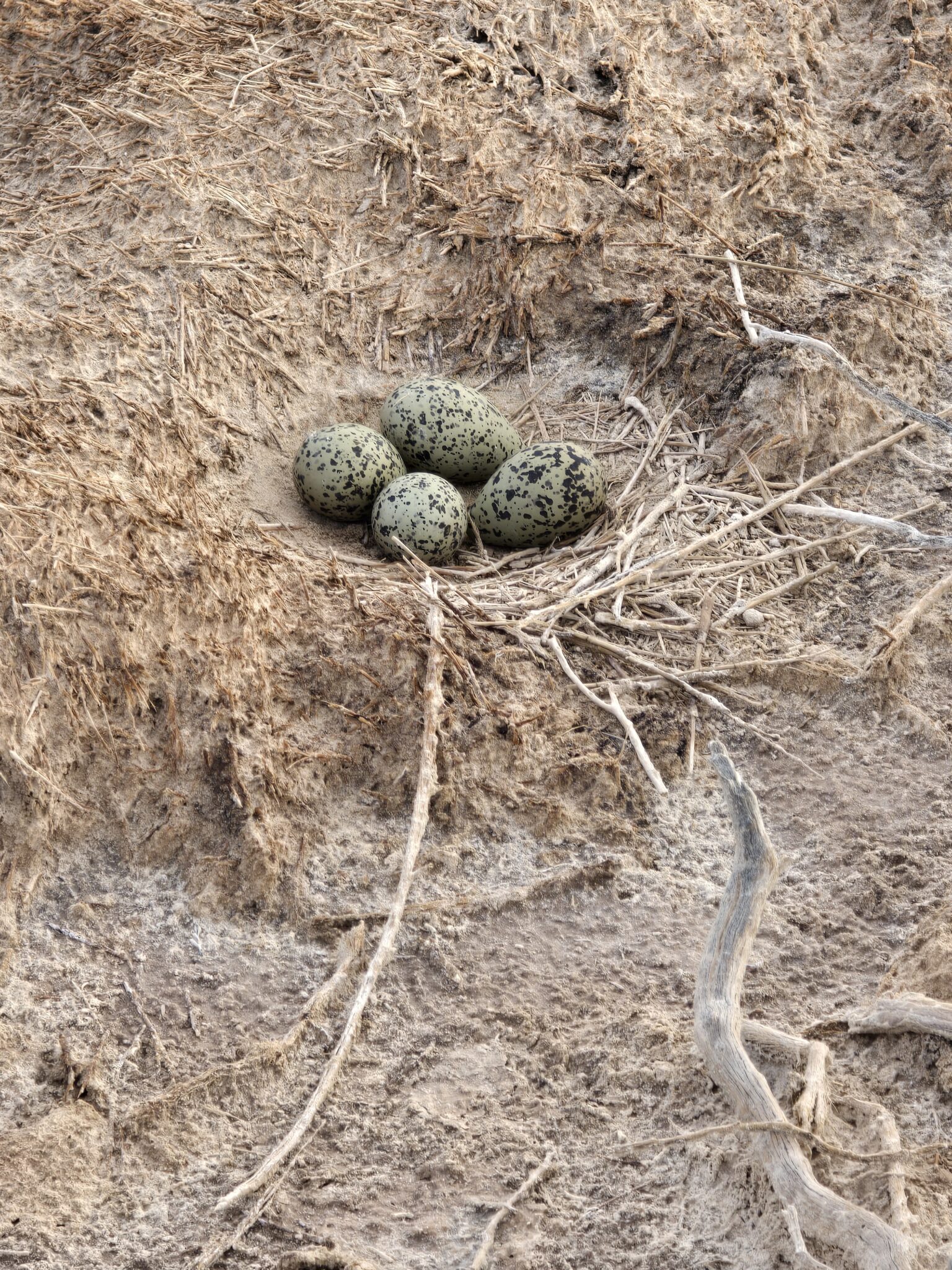
To further define risk pathways, GLA performed analytical and numerical groundwater modeling to evaluate PFAS fate and transport and partnered with the University of New Mexico Museum of Southwestern Biology to assess biological exposure at the Lake Holloman Wetlands Complex. Throughout the project, we facilitated a productive technical dialogue among NMED, the U.S. Air Force, and EPA to coordinate data collection and align investigation strategies.
Results
GLA delivered a defensible, data-driven understanding of PFAS plume geometry, migration potential, and ecological impacts across multiple years of investigation. Our work clarified groundwater flow and PFAS transport mechanisms, informed regulatory coordination, and established a strong technical foundation for continued site management and future response actions. The phased approach allowed NMED to make confident, science-based decisions while adapting the investigation as new data emerged.
We are learning a lot about PFAS environmental behavior due to the unprecedented local levels of PFAS contamination, the abundance of wildlife, and the complex hydrogeological setting at Holloman Lake—we’re hopeful we can apply our knowledge to provide solutions to similar challenges at other sites.”
Jean-Luc Cartron, PhD, Environmental Scientist