



Tucson Airport Remediation Superfund Site
Client
Tucson Water, City of Tucson
Market
Services
Role
Subconsultant
Challenge
In 1983, the U.S. Environmental Protection Agency (EPA) listed a 10 square-mile area of the Tucson International Airport Area (TIAA) as a Superfund site. Groundwater had been discovered to be contaminated by volatile organic compounds (VOCs), including trichloroethene (TCE), likely as the result of former aircraft and electronics manufacturing and aircraft maintenance, fire suppression trainings, and leakage from unlined landfills. The level of TCE contamination was greater than 200 parts per billion (ppb), which was far above the federal drinking water standard of 5.0 ppb. The contaminated site was supplying water to residential, industrial, and irrigation customers.
With discovery of the extent of contamination, the City of Tucson (Tucson Water), the main water supplier, shut down all contaminated wells. Owners of contaminated private wells that might be contaminated were urged not to use them for drinking water.
Extensive groundwater monitoring and modeling studies in the following years have revealed additional concerns with the discovery of other contaminants, including 1,4-dioxane and per- and poly fluoroalkyl substances (PFAS). This high-profile project is located in a densely populated urban area. Of great concern has been the health and safety of the community, which includes Tucson residential areas, sections of the Tohono O’odham Nation, the Tucson International Airport, and Air Force Plant #44 Raytheon Missile Systems Company.
Solutions
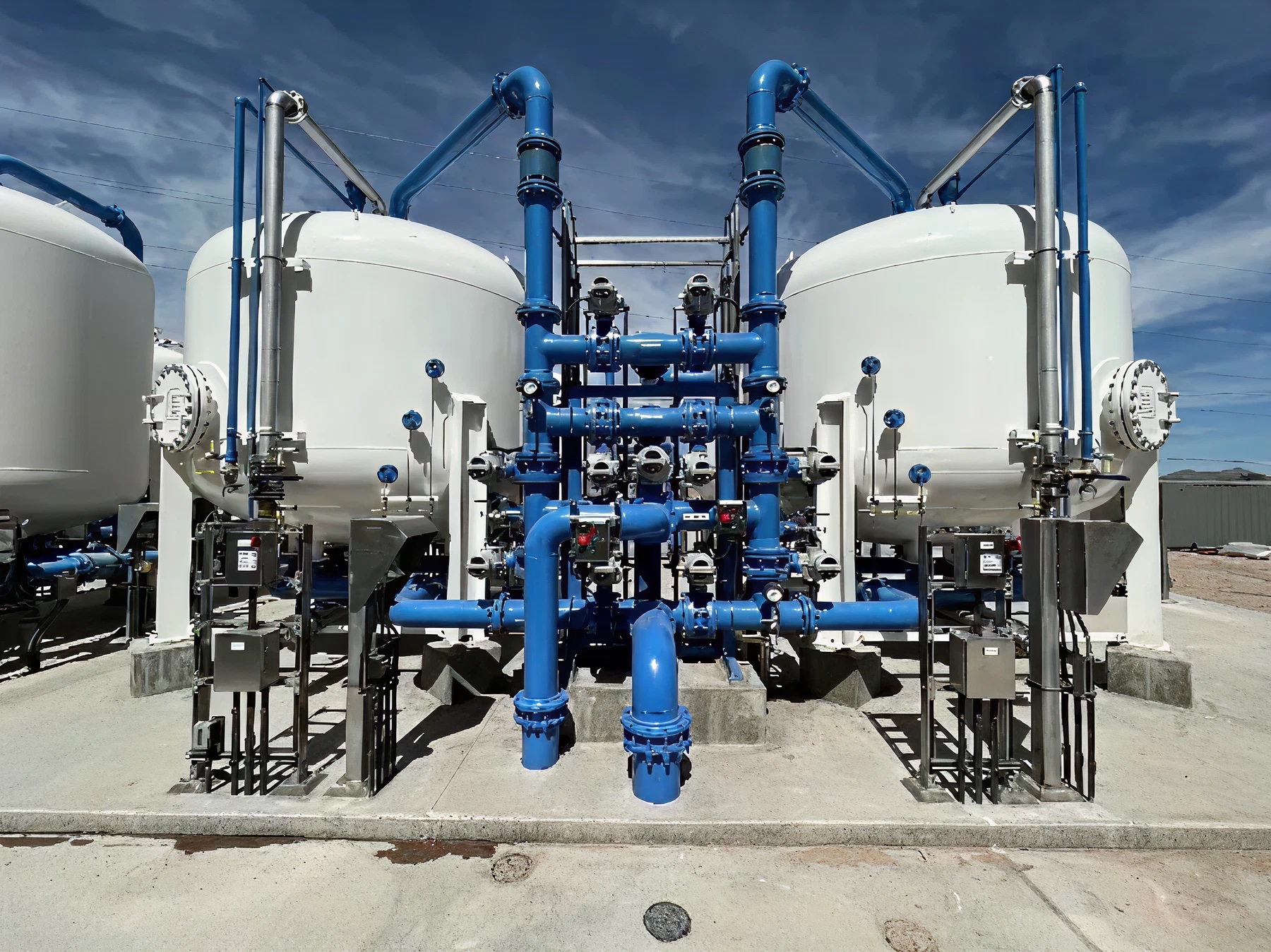
In 1994, Tucson Water began operating a groundwater remediation system known as the Tucson Airport Remediation Project (TARP). Now, TARP includes ten extraction wells and a groundwater treatment plant.
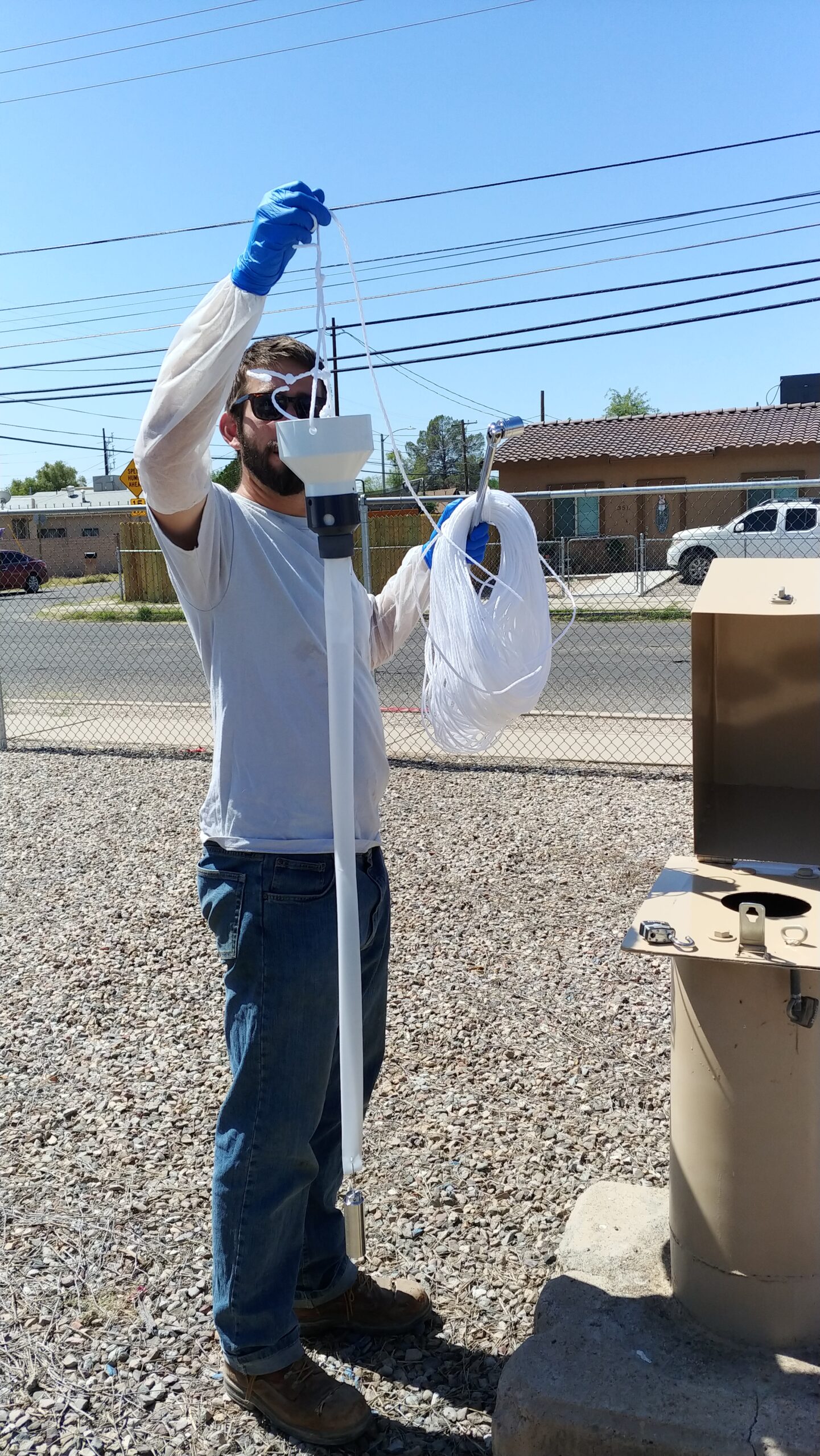
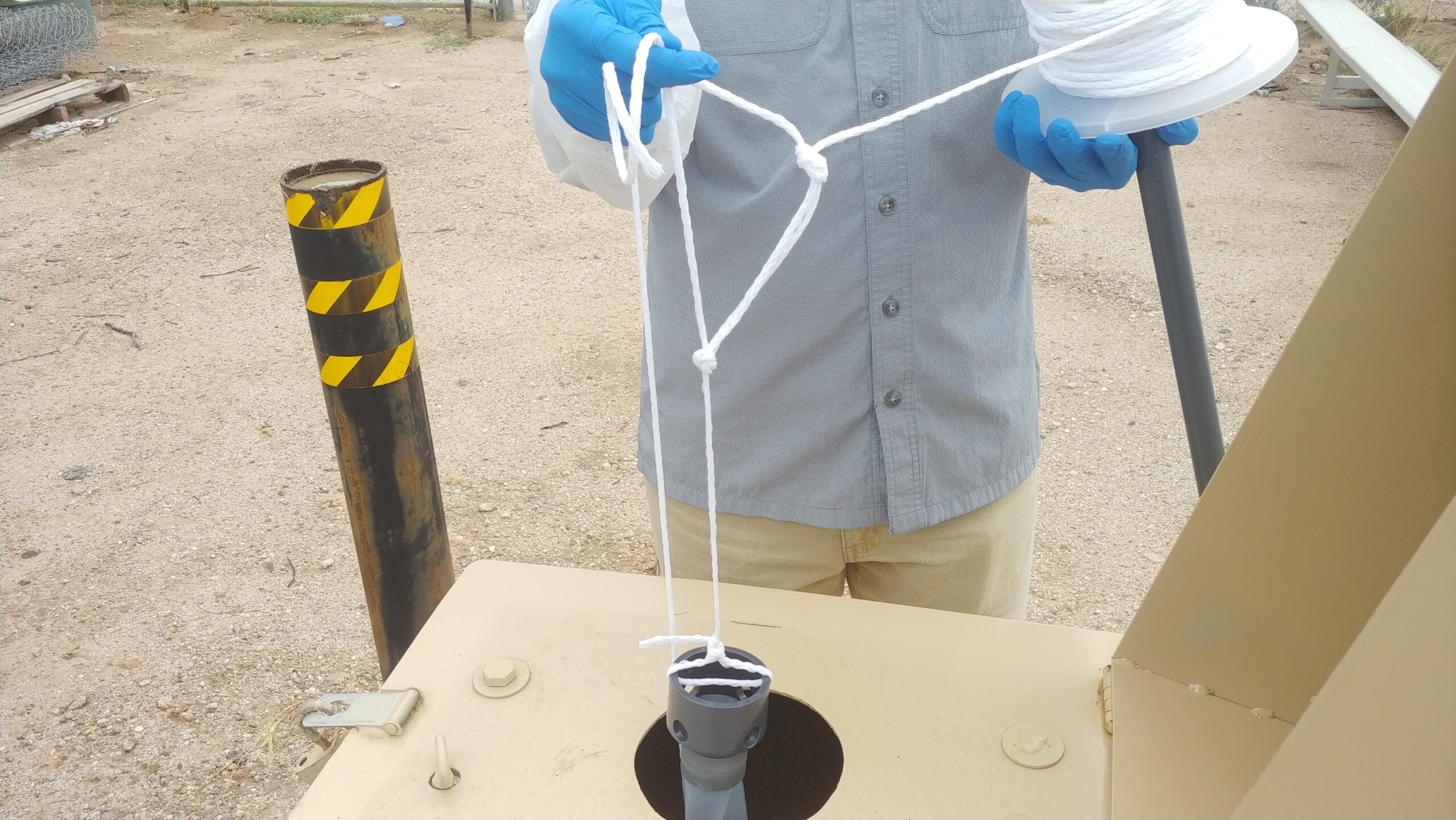
Geo-Logic Associates has supported TARP with groundwater flow and particle tracking modeling to evaluate the effectiveness of treatment strategies. GLA has also designed and installed extraction wells and monitoring wells and supports the groundwater sampling program. We have also assessed existing monitor wells and extraction wells for rehabilitation. With information from these activities, Tucson Water has made operational adjustments, including installation of an additional extraction well, to greatly increase TCE removal, thereby reducing the time required for remediation.
CCA has also been involved in studies at TARP related to emerging contaminants, including 1,4-dioxane and PFAS. The initial treatment technology for TCE was packed column aeration with granular activated carbon (GAC). Due to the presence of 1,4-dioxane, advanced oxidation treatment was implemented. PFAS necessitated additional GAC to the treatment train, and the City is installing a new PFAS treatment system using ion exchange resin.
Concerns about the PFAS contamination prompted the Tucson Water to temporarily pause remediation of the TCE-contaminated groundwater plume due to concerns about elevated concentrations of PFAS in groundwater upgradient of the treatment well field. CCA’s particle tracking model helped inform the operational decision about how long the system could remain in complete shutdown, followed by reduced operation for a period, without TCE migrating beyond the normal capture zone. The model was also used in combination with monthly groundwater elevation and water quality monitoring data to evaluate plume capture during construction of the recycled water system reservoir and booster station.
Results
To date, the TARP system has treated approximately 47.7 billion gallons of groundwater and removed more than 6,721 pounds of TCE from the regional aquifer. TARP is also addressing other contaminants of concern in the soil and groundwater, including 1,4-Dioxane and PFAS.
As the project continues, GLA is playing a pivotal role, supplying hydrogeological services to inform operational decisions. The firm participates in regular team meetings with the EPA and Arizona Department of Environmental Quality (ADEQ) to discuss the project status and address issues that arise. We assist with preparation of semi-annual status reports to both agencies to demonstrate plume capture.
We’re proud of the work we’ve done to protect the community’s drinking water over the last 25+ years.
— Jamie Kennealy, RG, PMP-Project Manager