


Well Installation and Groundwater Monitoring and Reporting at the Stringfellow Superfund Site
Client
California Department of Toxic Substances Control
Markets
Challenge
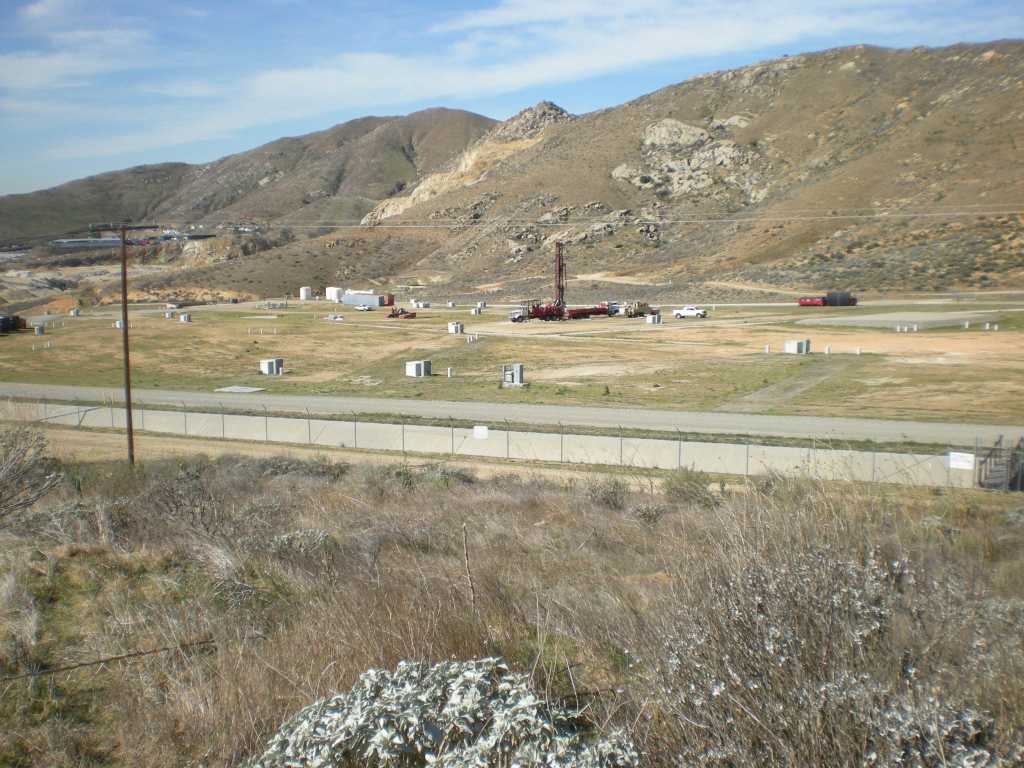
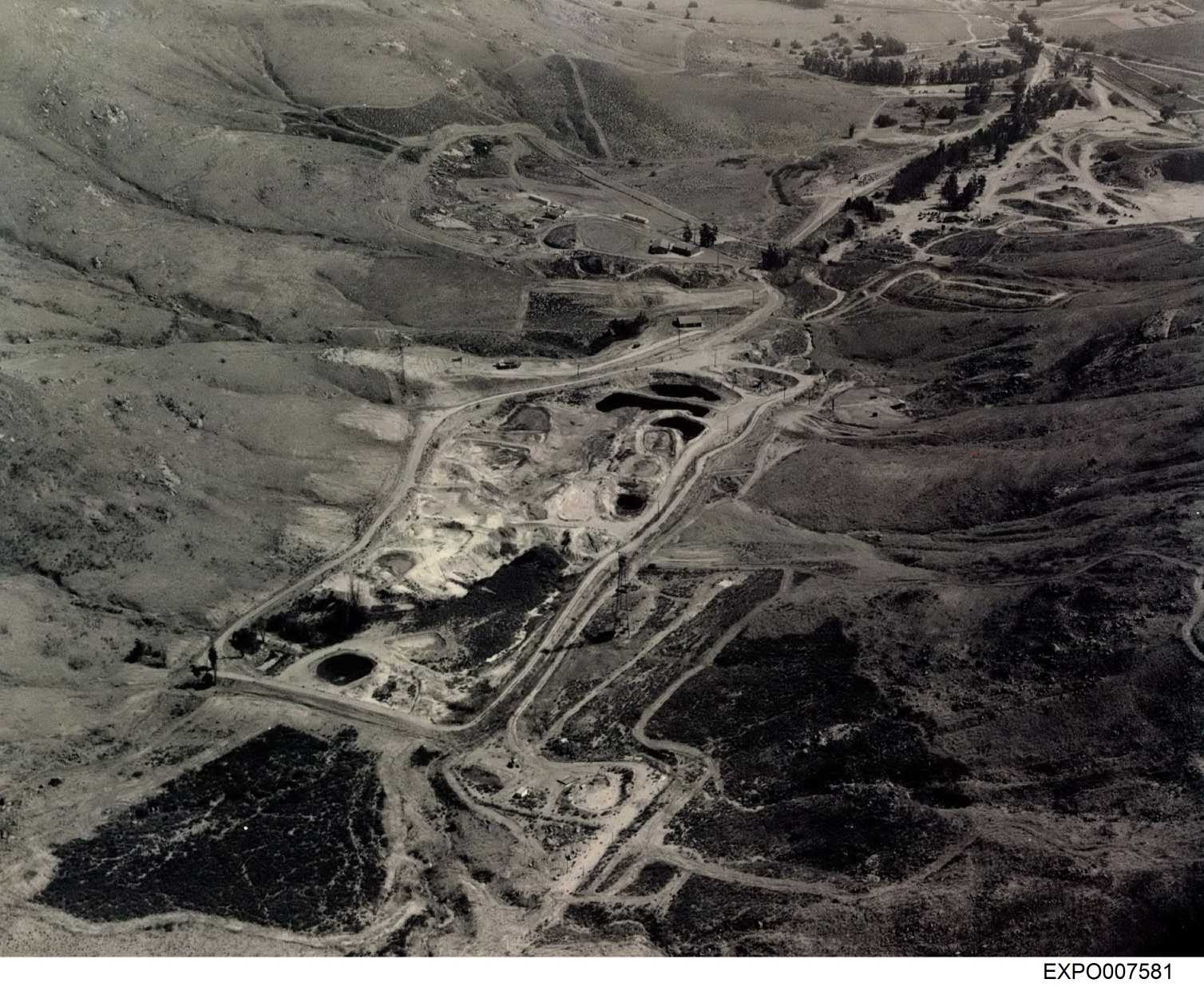
The Stringfellow Superfund Site is a former Class I industrial waste disposal facility that included as many as 20 surface impoundments to contain and evaporate liquid chemical wastes. During its operating life from 1956 to 1972, about 34 million gallons of liquid industrial process wastes containing spent acids and caustics, solvents, pesticide by-products, metals, and other inorganic and organic constituents were discharged to the ponds. Groundwater impacts (particularly perchlorate and volatile organic compounds [VOCs]) from Stringfellow extend about four miles downgradient of the former disposal facility.
Solutions
GLA was contracted to work on behalf of the California Department of Toxic Substances Control (DTSC) in 2001. Since that time, we have provided routine groundwater monitoring at up to 450 groundwater monitoring wells. Monitoring reports have included a summary of sampling procedures, analytical results, statistical analyses, trend analyses, and maps showing contaminant concentrations. When requested by DTSC, the monitoring program was modified to include non-routine sampling and analyses of privately owned wells in communities downgradient of the site.
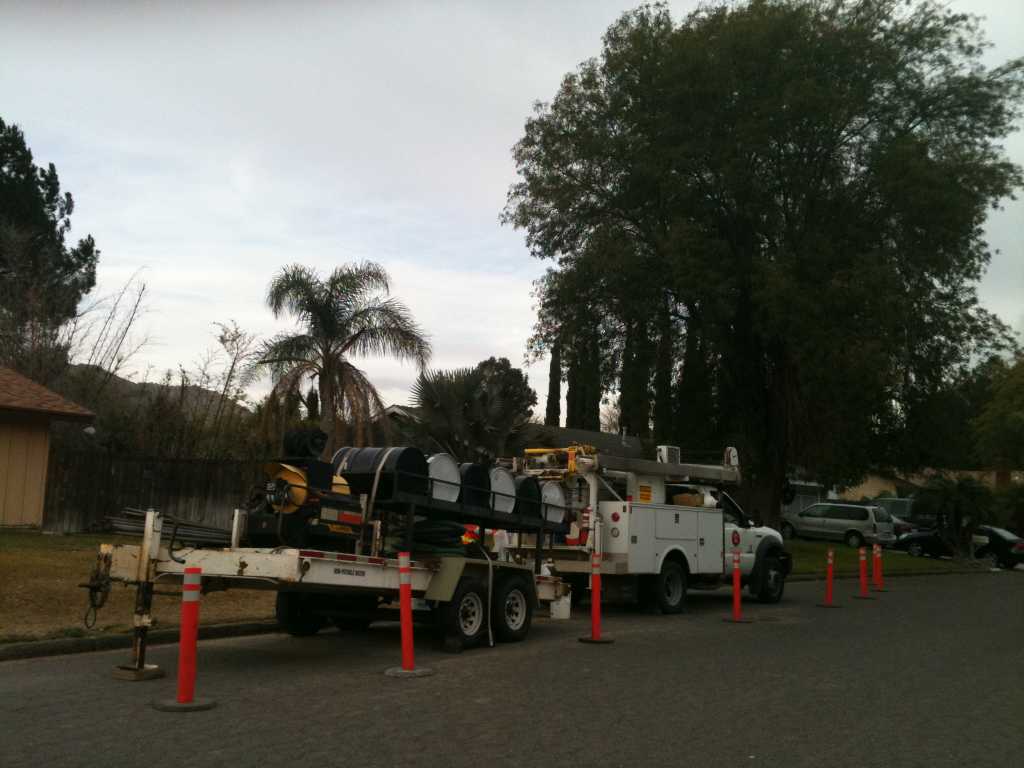
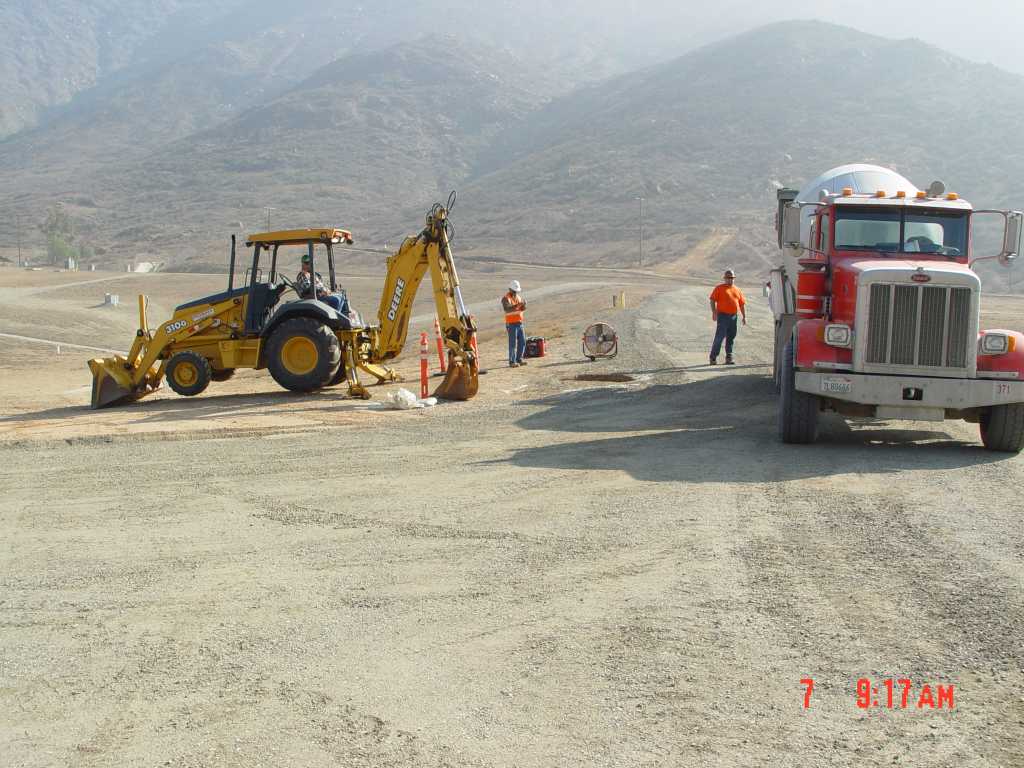
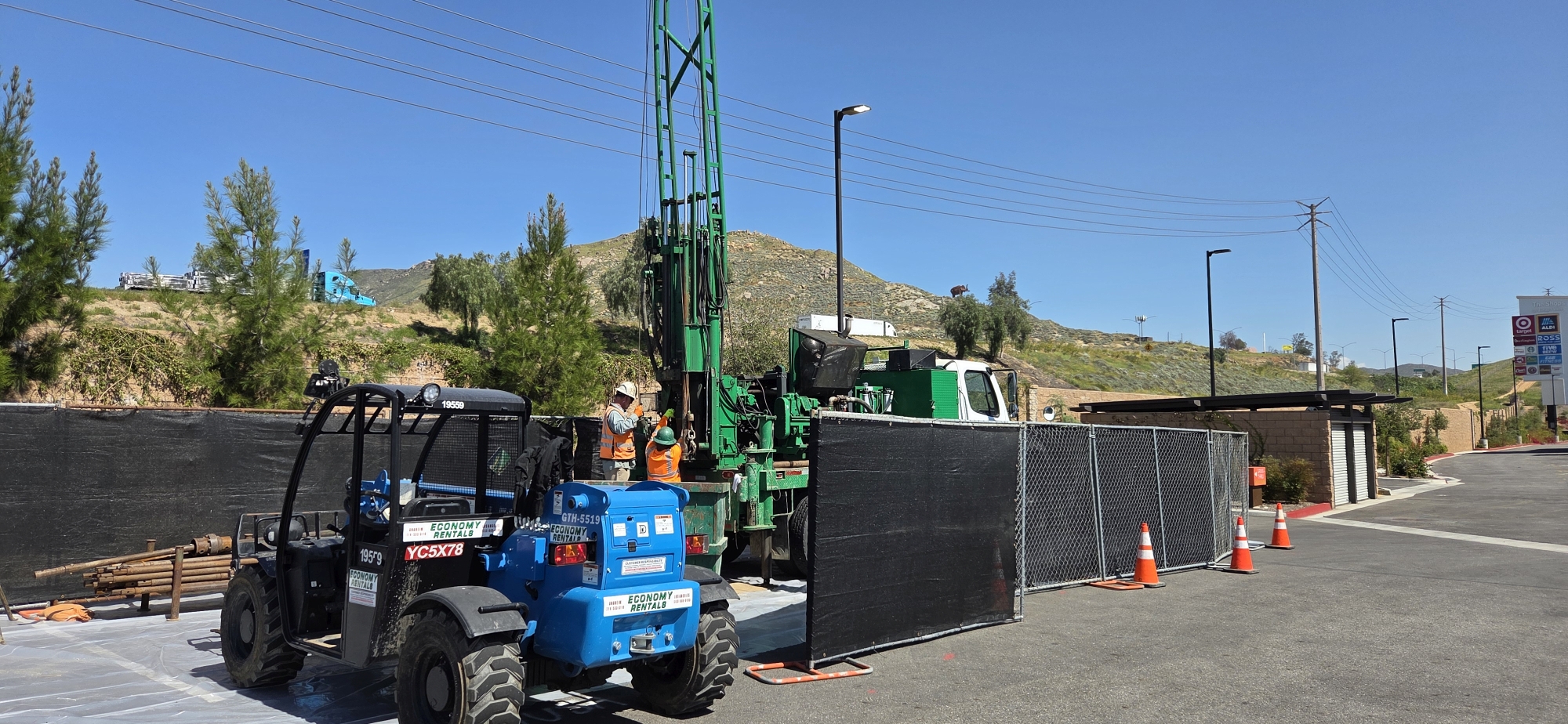
GLA has also provided a variety of drilling techniques (e.g., mud-rotary, oriented coring, hollow stem auger, sonic) to expand the groundwater monitoring network and improve capture of the groundwater treatment systems by installing additional extraction wells. To date, GLA has installed more than 100 monitoring and extraction wells.
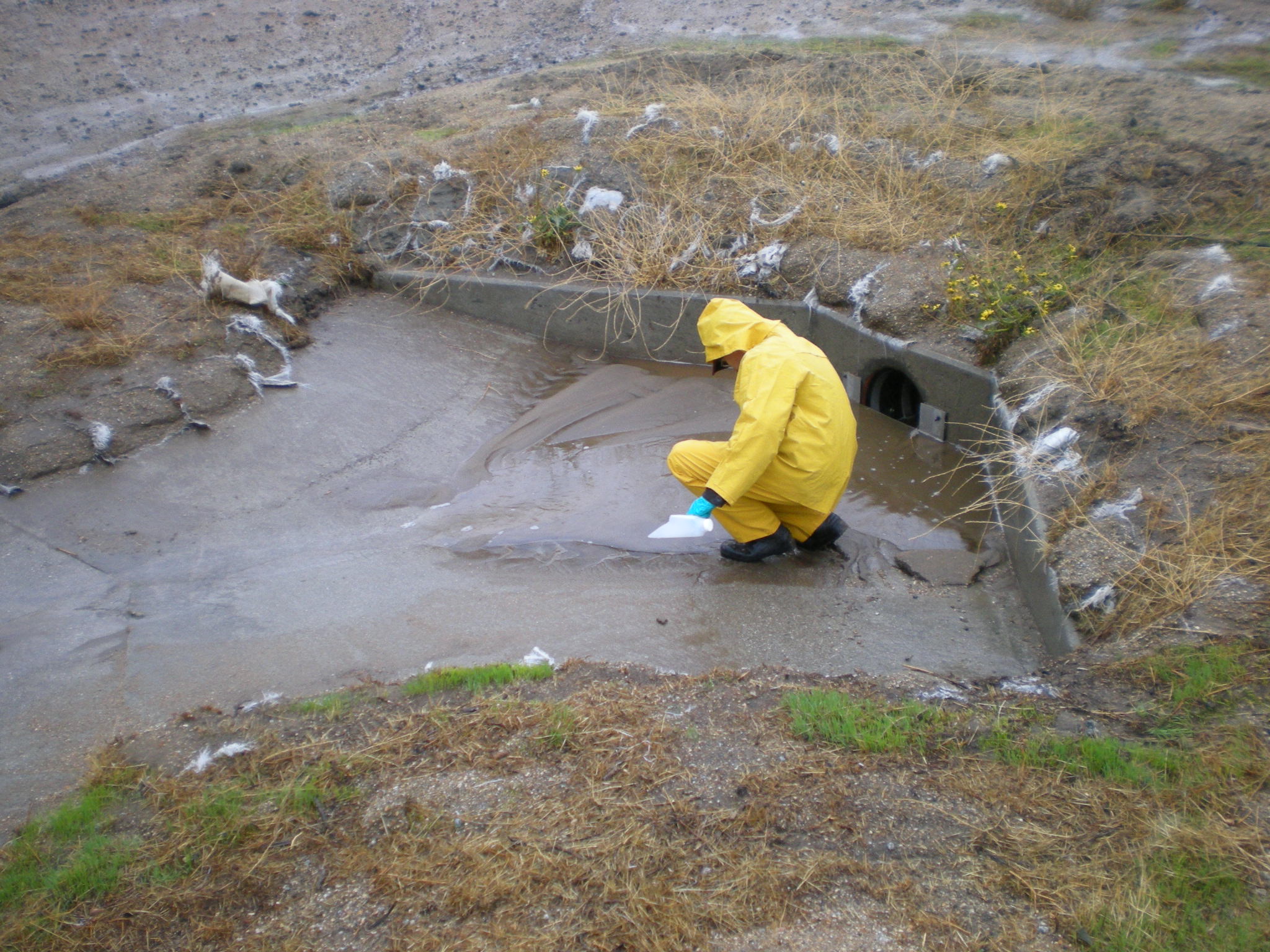
Following the discovery of perchlorate in groundwater beneath and downgradient of the site, GLA performed cone penetrometer testing and in situ groundwater sampling at select locations in the community, as well as exploratory drilling, soil sampling, installation of approximately monitoring well installation, aquifer pumping tests, and groundwater monitoring to identify the vertical and lateral extent of impacts. We developed a three-dimensional numerical groundwater flow model of the area downgradient of the site to predict contaminant fate and transport following activation of a nearby desalter operation. The project has also included installation of soil vapor probes and subsequent sampling to help evaluate VOC impacts in the unsaturated zone, stormwater sampling to evaluate contaminant impacts to surface water runoff, and weekly sampling of the groundwater treatment system to evaluate per- and poly-fluoroalkyl substances (PFAS) concentrations in the treated water. GLA has also provided services to help remedy other issues presented to the community by the former facility. We have performed unexploded ordinance surveys to clear adjacent properties that were historically used for explosives manufacturing and/or testing, performed soil testing to characterize geologic and environmental conditions at adjacent properties, and provided general environmental support to remove debris and other relics from properties surrounding the former waste disposal facility. Our team also consists of bilingual staff to assist with gaining access to privately owned wells within the largely Hispanic community, and coordination with the public during routine status meetings.
Results
GLA’s work at the Stringfellow Superfund Site has resulted in a better understanding of the lateral and vertical extent of groundwater impacts, a better understanding of temporal changes in groundwater quality, and improved capture of impacted groundwater to support DTSC’s efforts to remediate groundwater impacts and other lingering environmental threats posed by the former Class I waste disposal facility.