


Lake San Marcos Watershed Remedial Investigation/Feasibility Study
Client
San Marcos Lake Working Group
Markets
Services
Challenge
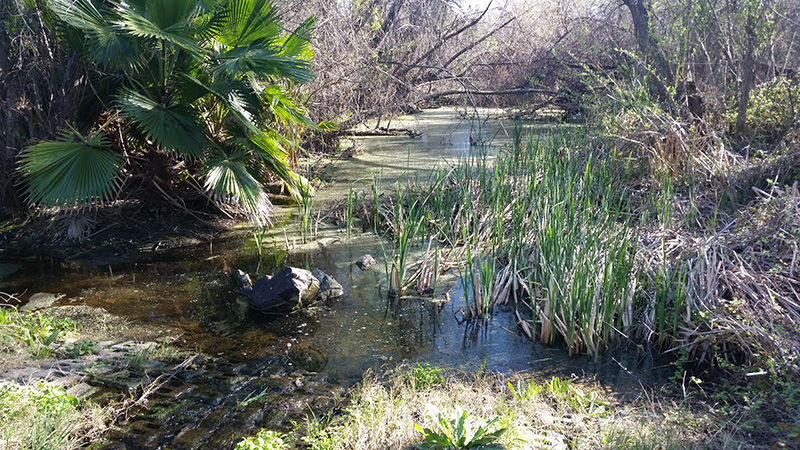
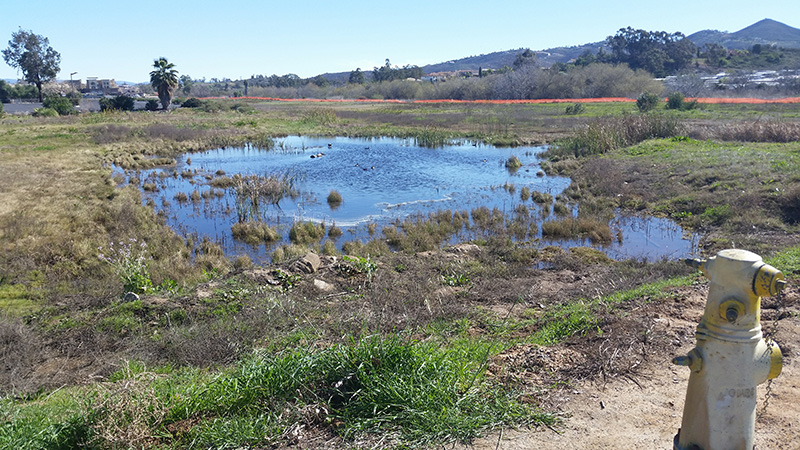
Lake San Marcos in San Diego County experienced declining water quality after years of nutrient runoff from the surrounding watershed. Phosphorus built up in lake sediments and was released back into the water seasonally, fueling algae growth, poor water quality, and regulatory compliance concerns. To support a critical cost allocation hearing, a five-party mediation group needed a complete Comprehensive Environmental Response, Compensation, and Liability Act (CERCLA)-compliant Remedial Investigation/Feasibility Study (RI/FS) in just five months.
Solution
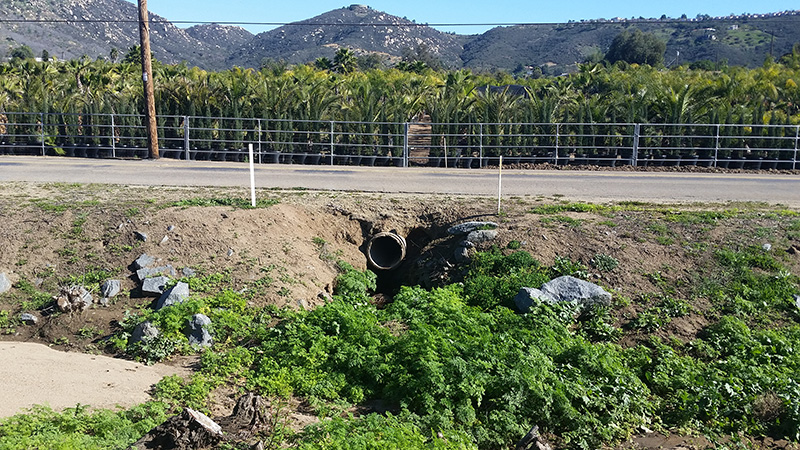
Geo-Logic Associates hydrogeologists rapidly assembled and analyzed years of environmental data to deliver a comprehensive RI/FS, including human health and ecological risk assessments, on time and on budget. With advanced watershed and lake hydraulic modeling, we evaluated a wide range of proven and innovative cleanup strategies, including alum injection, dredging, oxygenation, stream restoration, low-impact development, and watershed best management practices.
The technical team modeled multiple remediation scenarios to predict water quality improvements and identify the most effective and cost-efficient path forward. The project also helped secure regulatory approval for one of California’s first applications of alum injection in streams to improve downstream lake and water quality.
Results
We provided the Working Group with a clear, science-based roadmap for restoring Lake San Marcos while meeting an aggressive schedule. Our analysis helped build consensus around a cleanup approach estimated at $11 million, compared to other alternatives with costs exceeding $90 million. The result was a practical, defensible solution that reduced costs, supported regulatory decisions, and positioned the lake for long-term water quality improvements.
Based on our work the stakeholder group reached consensus on a cost-effective and defensible lake and watershed cleanup strategy in a very short time-frame.”
-John Dodge, PG, CHG — Project Manager